재미있는 한국어jaemiinneun hangugeo

Fun Korean

Hangul, life in Korea, travel, history and short lessons.

Top Places to Visit in Korea

Korea's must-see places, from Seoul palaces to Busan's hillside villages, with 5 useful Korean phrases for each, with audio and a quick quiz.

  • Gyeongbokgung Palace (경복궁)
    Data: Korea Tourism Organization (한국관광공사)
    Seoul · Jongno-gu

    Gyeongbokgung Palace

    경복궁

    The main royal palace of the Joseon dynasty, first built in 1395. Enter through Gwanghwamun Gate, catch the royal guard-changing ceremony, then walk to Gyeonghoeru, a pavilion on a lotus pond. Visitors in full hanbok get in free.

    Closed on Tuesdays (open if a Tuesday is a public holiday). Gyeongbokgung Station, Line 3.

  • Gamcheon Culture Village (감천문화마을)
    Data: Korea Tourism Organization (한국관광공사)
    Busan · Saha-gu

    Gamcheon Culture Village

    감천문화마을

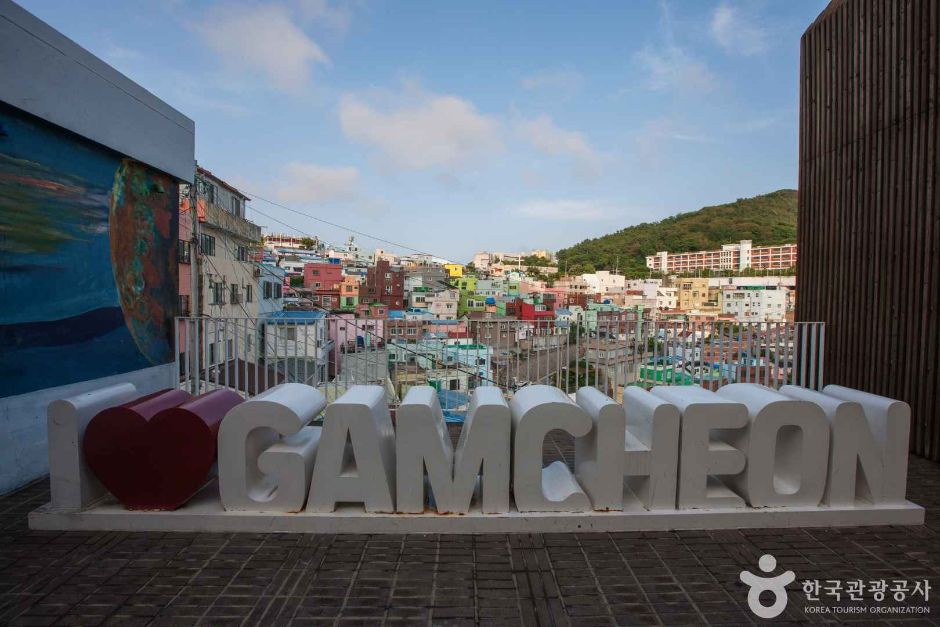
    A hillside neighborhood of pastel houses and narrow alleys above Busan's harbor. It grew from homes built by Korean War refugees, and an art project that began in 2009 filled it with murals and sculptures. Pick up a map at the entrance and look for the art in the lanes.

    People live here: keep your voice down and don't go into homes or private yards.

  • Bukchon Hanok Village (북촌한옥마을)
    Data: Korea Tourism Organization (한국관광공사)
    Seoul · Jongno-gu

    Bukchon Hanok Village

    북촌한옥마을

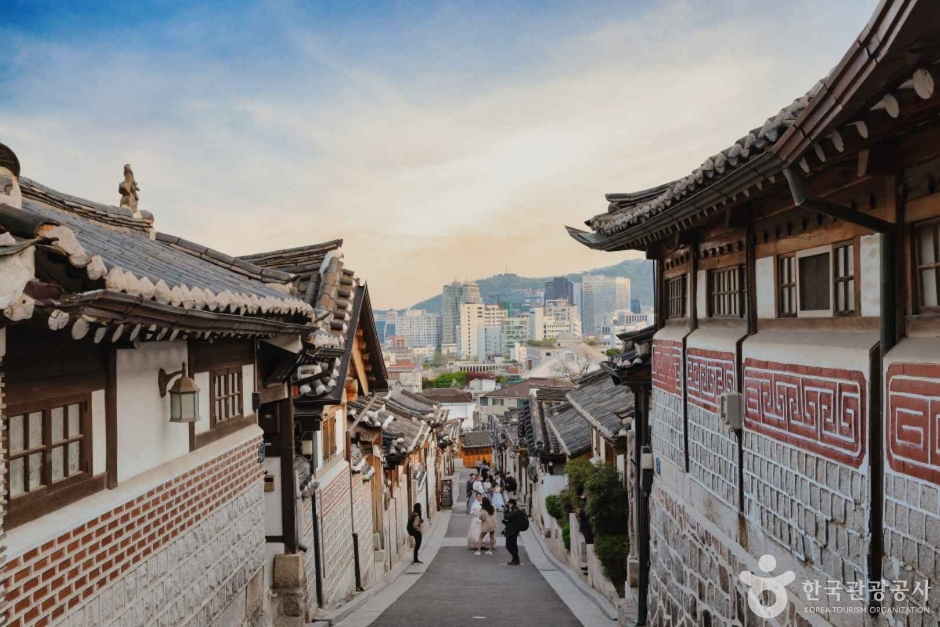
    A hillside neighborhood of hundreds of hanok, traditional Korean houses, between Gyeongbokgung and Changdeokgung palaces. Many are still family homes; others are tea houses, craft workshops and guesthouses. The upper lanes look out over tiled roofs toward the city.

    People live here: keep your voice down. Some lanes are open to visitors only from 10:00 to 17:00. Anguk Station, Line 3.

  • N Seoul Tower (N서울타워)
    Data: Korea Tourism Organization (한국관광공사)
    Seoul · Namsan

    N Seoul Tower

    N서울타워

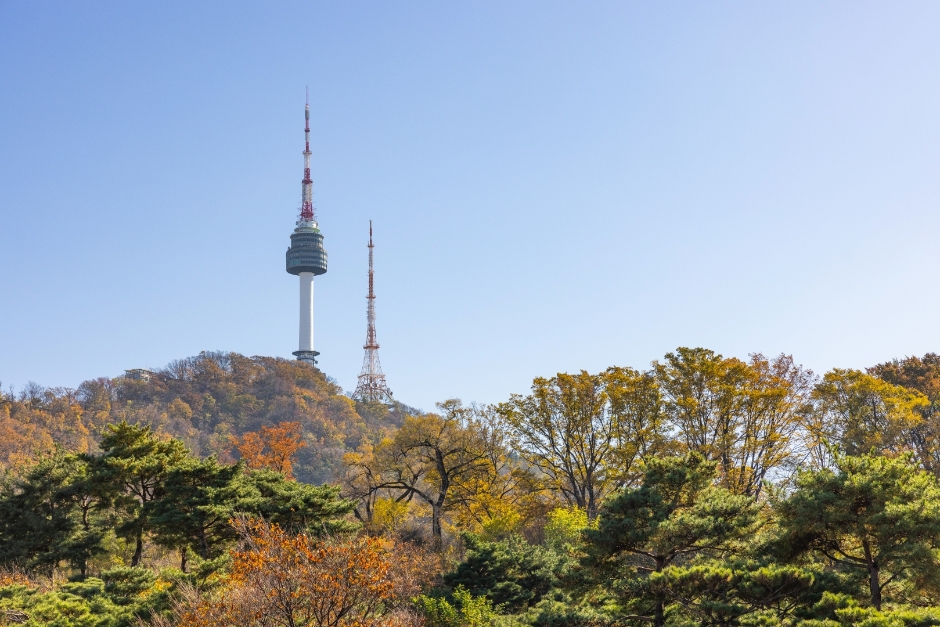
    Seoul's best-known landmark stands on Namsan, the mountain in the middle of the city. Ride the Namsan Cable Car, running since 1962, or walk up the trails, then see the whole city from the observatory. Couples hang "love locks" on the fences around the terrace.

    Go around sunset to see the city by day and by night.

  • Haeundae Beach (해운대해수욕장)
    Data: Korea Tourism Organization (한국관광공사)
    Busan · Haeundae-gu

    Haeundae Beach

    해운대해수욕장

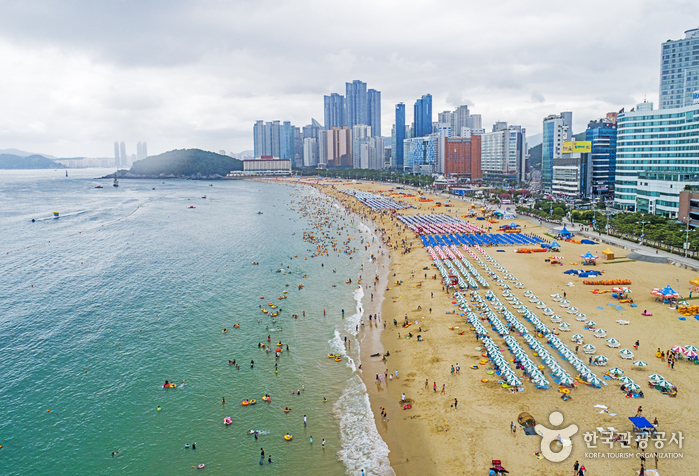
    Busan's most famous beach: about 1.5 km of white sand on a shallow bay, lined with hotels, cafés and seafood restaurants. In autumn it's calmer, which makes it a good time to walk the coastal path around Dongbaekseom Island at the west end.

    Haeundae Station, Line 2.

  • Jeonju Hanok Village (전주한옥마을)
    Data: Korea Tourism Organization (한국관광공사)
    Jeonju, Jeollabuk-do

    Jeonju Hanok Village

    전주한옥마을

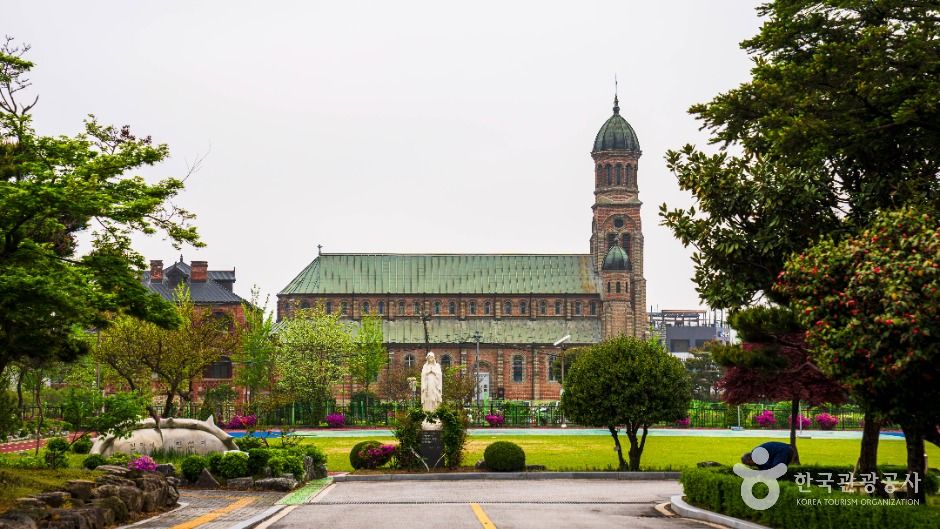
    About 700 hanok fill Korea's largest urban hanok village, which grew in the early 1900s around Gyeonggijeon Shrine. Walk the lanes in hanbok, spend a night in a hanok guesthouse, and eat Jeonju's famous bibimbap and street snacks.

    Gyeonggijeon Shrine, Omokdae and Jeondong Cathedral are all inside or next to the village.

  • Seongsan Ilchulbong (성산일출봉)
    Data: Korea Tourism Organization (한국관광공사)
    Jeju · Seogwipo

    Seongsan Ilchulbong

    성산일출봉

    A 180 m tuff cone on Jeju's east tip that rose from the sea in a volcanic eruption about 5,000 years ago. A steep stair path leads to a grassy crater about 600 m across, and the summit is Jeju's favorite place to watch the sunrise. It's part of Jeju's UNESCO World Natural Heritage.

    You can see Udo Island from the top. Ferries leave from Seongsan Port nearby.

  • Bulguksa Temple (불국사)
    Data: Korea Tourism Organization (한국관광공사)
    Gyeongju, Gyeongsangbuk-do

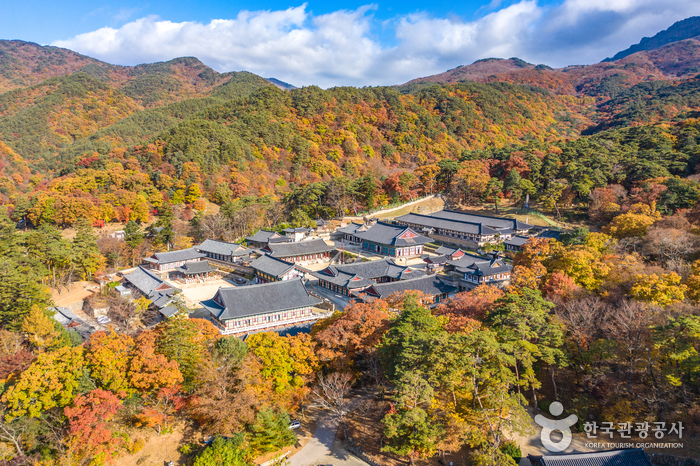
    Bulguksa Temple

    불국사

    A temple of the Silla kingdom, first built in the 6th century and rebuilt in 751. Together with nearby Seokguram Grotto it is a UNESCO World Heritage site. Look for the stone stairway-bridges at the entrance and the two stone pagodas, Dabotap and Seokgatap, in the main courtyard.

    Gyeongju is one of Korea's best places for autumn leaves. Seokguram Grotto is a short ride further up the mountain.

  • Nami Island (남이섬)
    Data: Korea Tourism Organization (한국관광공사)
    Chuncheon, Gangwon-do

    Nami Island

    남이섬

    A small, tree-lined island in the Bukhangang River, reached by a short ferry ride or a zip wire. The drama Winter Sonata made it famous. Its tall ginkgo and metasequoia lanes turn gold in late October and November.

    Ferries leave from Gapyeong Wharf. ITX trains run from Seoul to Gapyeong Station.

  • Seoraksan National Park (설악산국립공원)
    Data: Korea Tourism Organization (한국관광공사)
    Sokcho, Gangwon-do

    Seoraksan National Park

    설악산국립공원

    Granite peaks, waterfalls and temples near Korea's east coast. Daecheongbong (1,708 m) is the country's third-highest peak, and Seoraksan was Korea's first UNESCO Biosphere Reserve. For an easy visit, take the cable car from Seorak-dong up to Gwongeumseong Fortress, or walk the gentle trail to Biseondae.

    Autumn colors peak around mid to late October. Higher trails can be icy from November.

  • Changdeokgung Palace and Huwon (창덕궁과 후원)
    Data: Korea Tourism Organization (한국관광공사)
    Seoul · Jongno-gu

    Changdeokgung Palace and Huwon

    창덕궁과 후원

    A UNESCO World Heritage palace first built in 1405, after Gyeongbokgung. Many Joseon kings lived here, and it is the best preserved of the five remaining Joseon palaces. Behind the halls lies the rear garden (Huwon), a royal place of rest with a pond, a pavilion and a tree more than 300 years old.

    Closed on Mondays (if a Monday is a public holiday, it closes the next working day). Last admission 1 hour before closing.

  • Suwon Hwaseong Fortress (수원 화성)
    Data: Korea Tourism Organization (한국관광공사)
    Suwon, Gyeonggi-do

    Suwon Hwaseong Fortress

    수원 화성

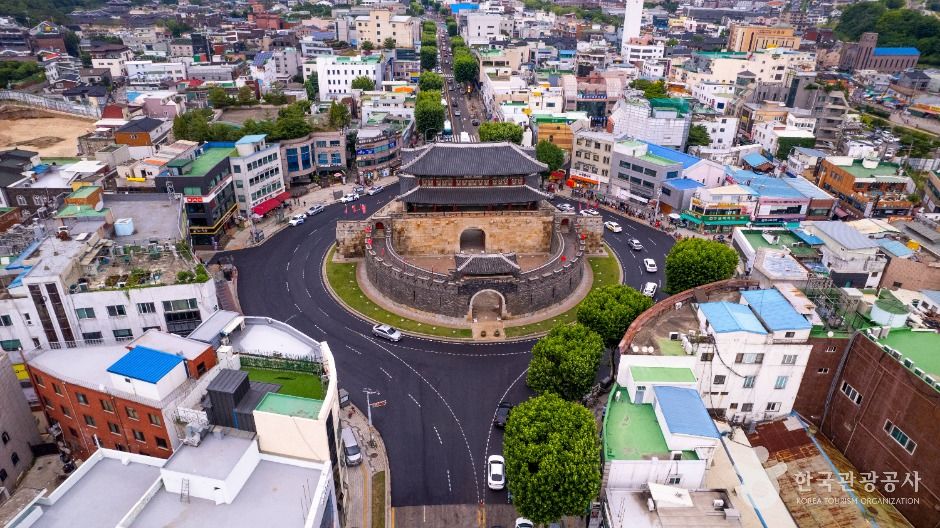
    A fortress built from 1794 to 1796 under King Jeongjo, as a sign of his devotion to his father and to found a new city. Its walls run about 5.7 km around Paldalsan Mountain, and it became a UNESCO World Heritage Site in 1997. Walk the walls and look for the performances held here every day.

    Open 24 hours, all year. The Suwon Hwaseong Cultural Festival takes place every fall.

  • Andong Hahoe Village (안동 하회마을)
    Data: Korea Tourism Organization (한국관광공사)
    Andong, Gyeongsangbuk-do

    Andong Hahoe Village

    안동 하회마을

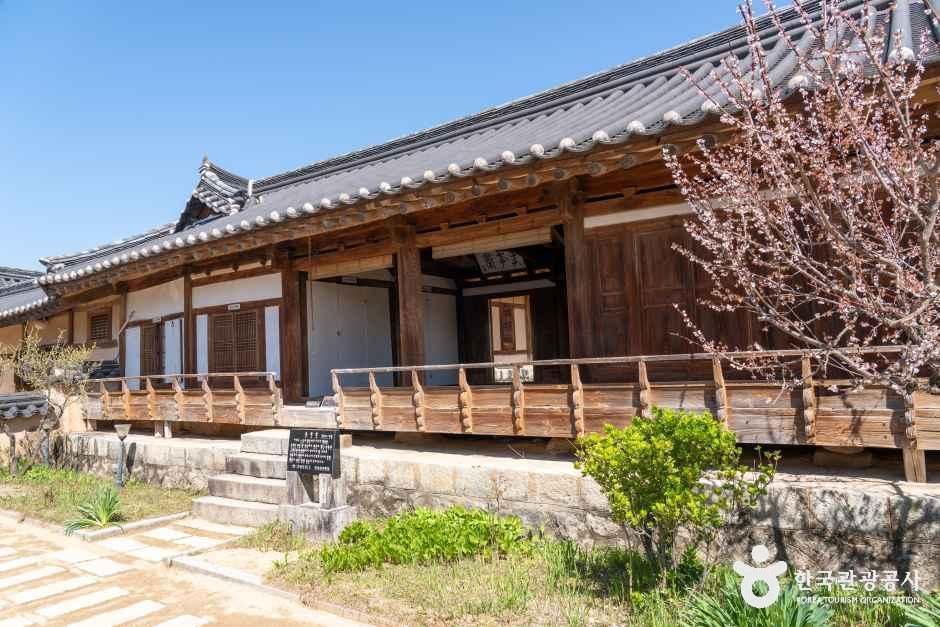
    One of Korea's best-known folk villages, wrapped by a bend of the Nakdonggang River and a UNESCO World Heritage Site. Descendants of the Pungsan Ryu clan still make up about 70 percent of the villagers. It was named a National Folklore Cultural Heritage in 1984, and the Hahoe masks, a National Treasure, come from here.

    Open every day: 09:00-18:00 April-September, 09:00-17:00 October-March (last admission 30 minutes before closing). People live here, so stay out of private homes.

  • Cheomseongdae Observatory (경주 첨성대)
    Data: Korea Tourism Organization (한국관광공사)
    Gyeongju, Gyeongsangbuk-do

    Cheomseongdae Observatory

    경주 첨성대

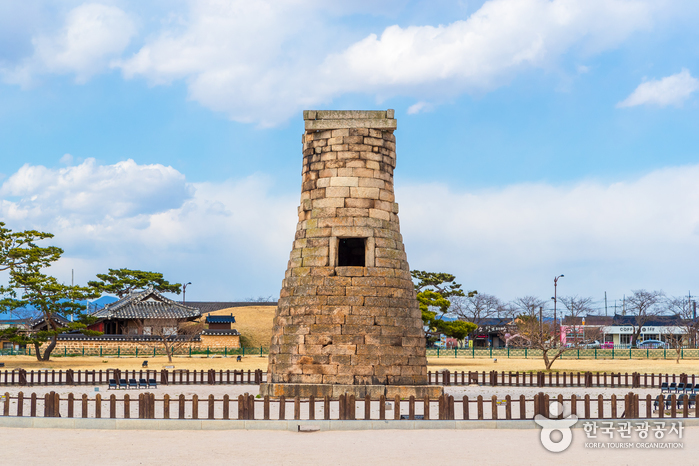
    A stone observatory from the reign of Silla's Queen Seondeok (632-647), and one of the oldest in the world. The tower is about 9 m tall and made of 365 stones, one for each day of the year, stacked in 27 layers. Flowers bloom around it in every season, so it is a favorite spot for photos.

    Open every day: 09:00-22:00 in summer, 09:00-21:00 in winter. It's lit up after dark.

  • Donggung Palace and Wolji Pond (경주 동궁과 월지)
    Data: Korea Tourism Organization (한국관광공사)
    Gyeongju, Gyeongsangbuk-do

    Donggung Palace and Wolji Pond

    경주 동궁과 월지

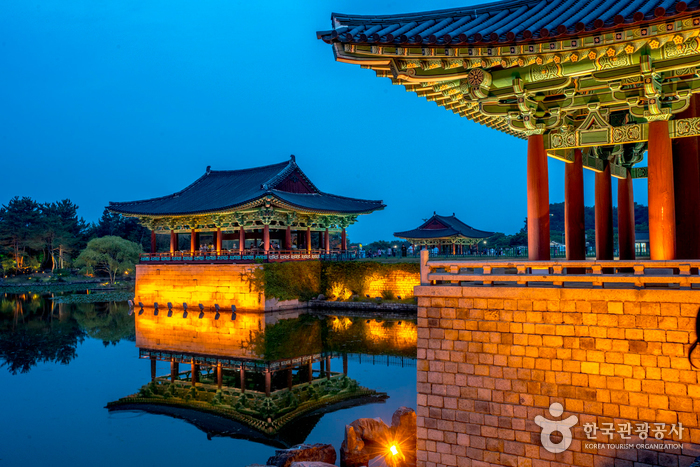
    The site of a Silla secondary palace, where the crown prince lived and royal banquets were held. King Munmu had the large pond dug in 674, with three islands in the middle and planted hills around it. The rebuilt pavilions reflected in the water are the classic view here.

    Open every day 09:00-22:00 (last ticket and admission 21:30). The evening is the most popular time.

  • Haedong Yonggungsa Temple (해동 용궁사)
    Data: Korea Tourism Organization (한국관광공사)
    Busan · Gijang-gun

    Haedong Yonggungsa Temple

    해동 용궁사

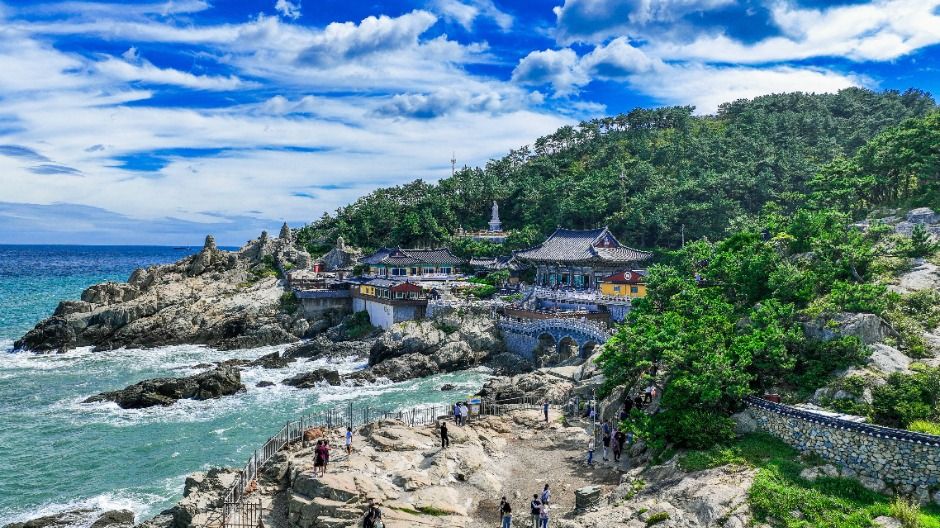
    A Buddhist temple on the rocky shore of northeastern Busan, a rare sight since most Korean temples stand in the mountains. It was first built in 1376 by the monk Naong, destroyed during the Imjin War and rebuilt in the 1930s. Waves break right below the halls.

    Open every day 04:30-19:20 (last admission 18:50). It's a temple: keep your voice down near people praying.

  • Juknokwon Bamboo Garden (죽녹원)
    Data: Korea Tourism Organization (한국관광공사)
    Damyang, Jeollanam-do

    Juknokwon Bamboo Garden

    죽녹원

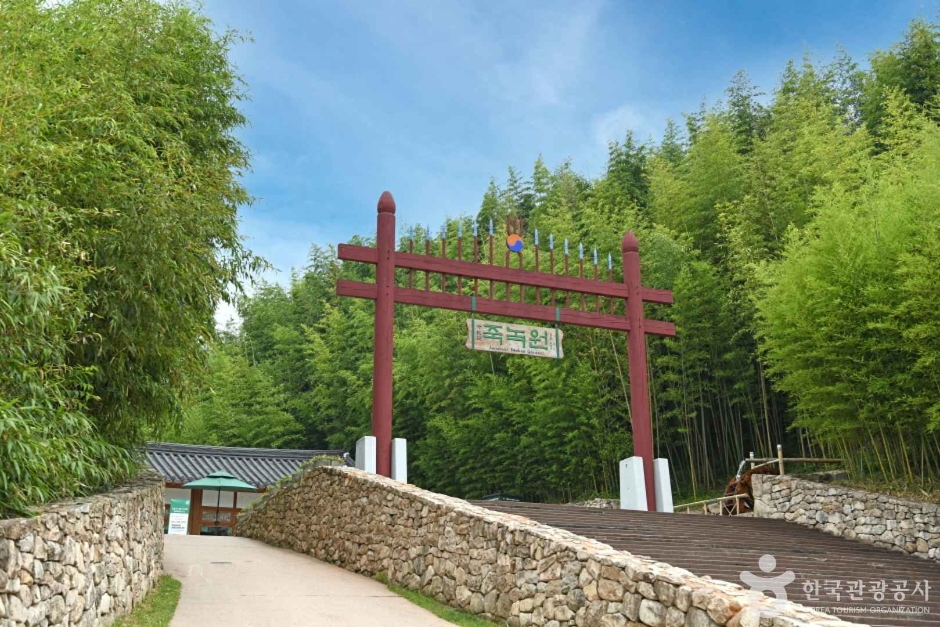
    A bamboo forest of about 160,000 m² in Damyang, opened in May 2003. Stone steps and walking paths wind between tall bamboo, and the breeze through the leaves makes it a calm place to slow down. End your visit with a cup of bamboo leaf tea.

    Open every day: 09:00-19:00 March-October, 09:00-18:00 November-February (last admission an hour or 30 minutes before closing).

  • Manjanggul Lava Tube (만장굴)
    Data: Korea Tourism Organization (한국관광공사)
    Jeju · Jeju-si

    Manjanggul Lava Tube

    만장굴

    Part of the Geomunoreum Lava Tube System, about 7.4 km long and up to 25 m high and 18 m wide, one of the largest lava tubes in the world. Only about 1 km is open to visitors. Walk in to see lava formations and, at the end of the open section, a 7.6 m stone pillar recorded as the world's largest.

    Open 09:00-18:00 (last admission 17:00). Closed on the first Wednesday of every month.

  • Oedo-Botania (외도 보타니아)
    Data: Korea Tourism Organization (한국관광공사)
    Geoje, Gyeongsangnam-do

    Oedo-Botania

    외도 보타니아

    A garden island off Geoje; the name joins "botany" and "utopia." The developed island holds gardens of native and subtropical plants, including the Venus Garden with twelve statues among the flowerbeds, and the sea views reach the Haegeumgang Islets. You reach it by boat.

    Hours change by season (about 08:00-19:00 in summer, 08:30-17:00 in winter); check the official site for closed days. Parking is at the ferry docks.

  • Lotte World Tower SEOUL SKY (롯데월드타워 서울스카이)
    Data: Korea Tourism Organization (한국관광공사)
    Seoul · Songpa-gu

    Lotte World Tower SEOUL SKY

    롯데월드타워 서울스카이

    The observatory at the top of Lotte World Tower, about 500 m above the ground and the highest attraction in Korea. The Sky Shuttle takes you from B1 to the 118th floor in about a minute, and from there you get a 360-degree view of Seoul. There's also a café and a souvenir shop.

    Open every day: 10:30-22:00 Sunday-Thursday, 10:30-23:00 Friday-Saturday (last admission 1 hour before closing).

  • Deoksugung Palace (덕수궁)
    Data: Korea Tourism Organization (한국관광공사)
    Seoul · Jung-gu

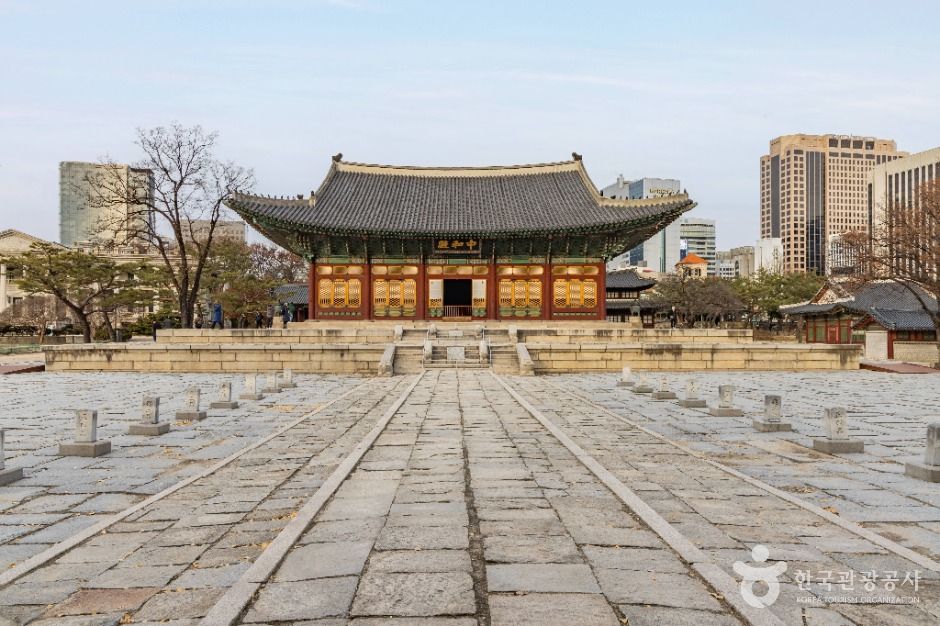
    Deoksugung Palace

    덕수궁

    First the home of a Joseon prince, it became the royal family's temporary palace in 1593, after their palaces burned in the Imjin War, and was named Gyeongungung in 1611. It took its present name, "palace of virtuous longevity", in 1907. Only a few buildings remain today, right in the middle of the city, and the Seokjojeon, Dondeokjeon and Jungmyeongjeon halls hold exhibitions.

    Open 09:00-21:00 (last admission 20:00). Closed on Mondays (if a Monday is a public holiday, it closes the next working day).

  • Insadong Cultural Street (인사동 문화의 거리)
    Data: Korea Tourism Organization (한국관광공사)
    Seoul · Jongno-gu

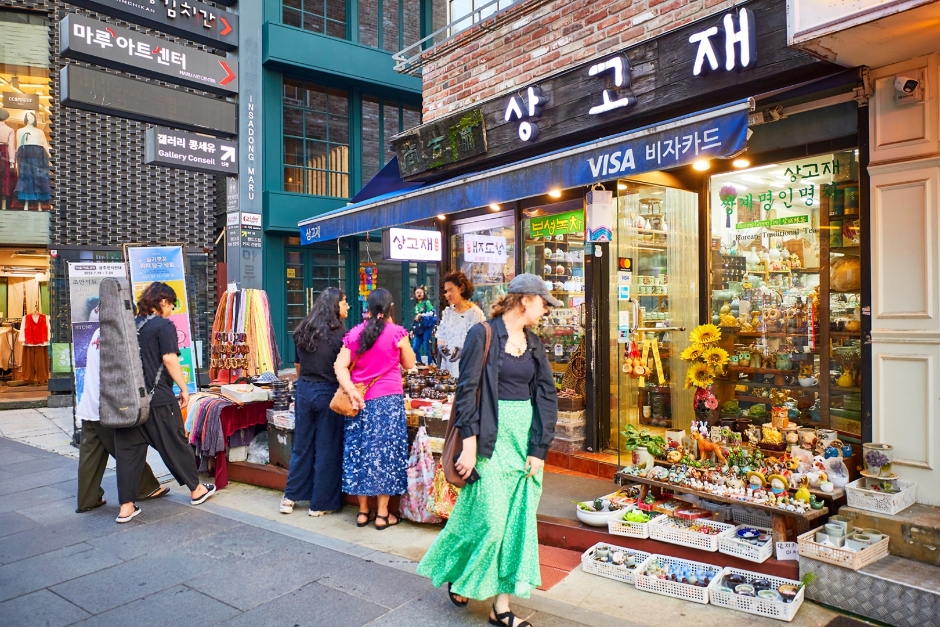
    Insadong Cultural Street

    인사동 문화의 거리

    A street of art galleries, traditional teahouses, Korean restaurants and street stalls, loved by visitors from all over the world. Many shop signs are written in Hangeul, the Korean alphabet, which is what makes the street special. The streets and shops are wide and easy to walk, and buskers often play by the road in the evenings and on weekends.

    The street is open 24 hours, all year round.

  • Hallasan Mountain (한라산)
    Data: Korea Tourism Organization (한국관광공사)
    Jeju · Seogwipo

    Hallasan Mountain

    한라산

    The mountain at the center of Jeju Island and its best-known landmark. It became a national park in 1970, and 368 small volcanic cones, called oreum, rise around it. Plants change with the height and temperature of the slopes; more than 1,800 kinds of plants and 4,000 kinds of animals live here, and well-kept hiking trails lead you through them.

    Opening hours depend on the season and the trail. Check the official website or call before you go.

  • Udo Island (우도)
    Data: Korea Tourism Organization (한국관광공사)
    Jeju · Jeju-si

    Udo Island

    우도

    A small island off Jeju, long called Soseom ("cow island") because its shape looks like a cow lying down. The ferry from Seongsan Port or Jongdal Port takes about 15 minutes. The island is 3.8 km long and 17 km around: walking all the way takes 3 to 4 hours, so most visitors get around by bus, bicycle or electric mini-car.

    Take a morning ferry in and an afternoon ferry back to enjoy a full day. Ferries can change with the weather, so check the forecast first.

  • Dongpirang Village (통영 동피랑마을)
    Data: Korea Tourism Organization (한국관광공사)
    Tongyeong, Gyeongsangnam-do

    Dongpirang Village

    통영 동피랑마을

    A hillside village above the sea in Tongyeong. Its name joins "dong" (east) and "birang" (hill in the local dialect). In 2007 a local group invited people from all over Korea to paint murals on its walls, and the art brought the village back to life. From the top there is a wonderful view over the sea and Gangguan Port.

    Open 24 hours, all year. Park in the lot before the village entrance. People live here, so please keep your voice down.

  • Odongdo Island (여수 오동도)
    Data: Korea Tourism Organization (한국관광공사)
    Yeosu, Jeollanam-do

    Odongdo Island

    여수 오동도

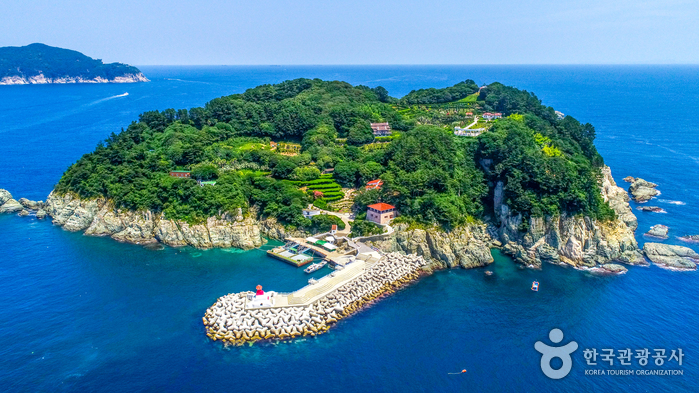
    A small island off the coast of Yeosu, known for its sea cliffs and camellias. A breakwater links it to the mainland, so you can walk in or ride the Dongbaek Train. The camellias start to bloom in January and are at their best in March. Walking trails lead to a lighthouse, a musical fountain and a barefoot walking path.

    The island is open 24 hours. The Dongbaek Train runs about 09:15-17:00 with a break from 12:00 to 13:00; call ahead to check.

  • Dodamsambong Peaks (단양 도담삼봉)
    Data: Korea Tourism Organization (한국관광공사)
    Danyang, Chungcheongbuk-do

    Dodamsambong Peaks

    단양 도담삼봉

    Three rock peaks rising out of the Namhangang River: Janggunbong, Cheobong and Cheopbong. The tallest, Janggunbong, holds Samdojeong Pavilion, once a famous meeting place for the region's scholars. Next to the peaks, the tourist area has a story hall, a sailboat ride, a cruise pier and a rest area.

    Open 09:00-18:00, all year.

  • Ojukheon House (강릉 오죽헌)
    Data: Korea Tourism Organization (한국관광공사)
    Gangneung, Gangwon-do

    Ojukheon House

    강릉 오죽헌

    The birthplace of Yi I (pen name Yulgok), a scholar and statesman of the Joseon period. The house was built in the early Joseon dynasty and was named a Treasure in 1963. You can see Mongryongsil, the room where he was born, along with the family shrine, the men's quarters, Yulgok Memorial Hall and the Gangneung Municipal Museum.

    Open 09:00-18:00 (last admission 17:00), all year.

  • Haeinsa Temple (합천 해인사)
    Data: Korea Tourism Organization (한국관광공사)
    Hapcheon, Gyeongsangnam-do

    Haeinsa Temple

    합천 해인사

    One of Korea's three largest temples, founded in 802 by the monks Suneung and Ijung. Its name comes from a Buddhist scripture and stands for a truly enlightened world and a pure mind. The temple keeps the Printing Woodblocks of the Tripitaka Koreana and the Janggyeongpanjeon halls that store them, both National Treasures.

    Open 08:30-18:00 in summer and 08:30-17:00 in winter, all year.

  • Taejongdae (부산 태종대)
    Data: Korea Tourism Organization (한국관광공사)
    Busan · Yeongdo-gu

    Taejongdae

    부산 태종대

    A rocky coast formed when layers of rock were pressed together under a lake in the Cretaceous period, then worn away by the sea over time. Look for sea caves and strangely shaped rocks along the shore. Walk the forest paths, or ride the Danubi Train to Taejongdae Observatory and the Yeongdo Coastal Culture Space.

    The park opens 04:00-24:00 (March-October) and 05:00-24:00 (November-February); facilities close at 20:00. The Danubi Train does not run on Mondays.

Data: Korea Tourism Organization (한국관광공사), via TourAPI. Photos are shown as provided, uncropped. Facts are checked against VisitKorea and official festival sites, and the descriptions are our own. Dates can change, so check the official site before you travel.